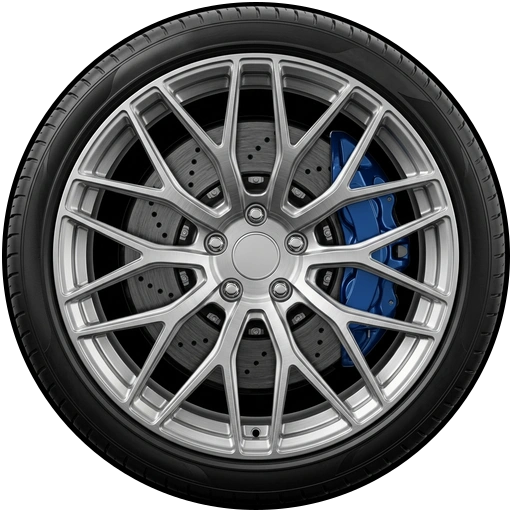
Tire Diameter Chart: Tire Sizes in Inches
Use this interactive tire diameter chart to look up the nominal overall diameter, section width, sidewall height, circumference, and revolutions per mile for common passenger, SUV, pickup, LT, and flotation tire sizes. Filter by wheel diameter or search for a specific size.
Interactive Tire Diameter Chart
Showing 352 of 352 standard verified tire sizes. Dimensions are nominal.
| Circumference | Action | |||||
|---|---|---|---|---|---|---|
| 165/65R13 | 21.44″ 544.7 mm | 6.50″ 165.0 mm | 4.22″ 107.3 mm | 67.4″ | 940 | Compare → |
| 155/70R13 | 21.54″ 547.2 mm | 6.10″ 155.0 mm | 4.27″ 108.5 mm | 67.7″ | 936 | Compare → |
| 185/60R13 | 21.74″ 552.2 mm | 7.28″ 185.0 mm | 4.37″ 111.0 mm | 68.3″ | 928 | Compare → |
| 165/60R14 | 21.80″ 553.6 mm | 6.50″ 165.0 mm | 3.90″ 99.0 mm | 68.5″ | 925 | Compare → |
| 155/65R14 | 21.93″ 557.1 mm | 6.10″ 155.0 mm | 3.97″ 100.8 mm | 68.9″ | 920 | Compare → |
| 165/70R13 | 22.09″ 561.2 mm | 6.50″ 165.0 mm | 4.55″ 115.5 mm | 69.4″ | 913 | Compare → |
| 165/65R14 | 22.44″ 570.1 mm | 6.50″ 165.0 mm | 4.22″ 107.3 mm | 70.5″ | 899 | Compare → |
| 175/70R13 | 22.65″ 575.2 mm | 6.89″ 175.0 mm | 4.82″ 122.5 mm | 71.1″ | 891 | Compare → |
| 195/50R15 | 22.68″ 576.0 mm | 7.68″ 195.0 mm | 3.84″ 97.5 mm | 71.2″ | 889 | Compare → |
| 185/60R14 | 22.74″ 577.6 mm | 7.28″ 185.0 mm | 4.37″ 111.0 mm | 71.4″ | 887 | Compare → |
| 155/80R13 | 22.76″ 578.2 mm | 6.10″ 155.0 mm | 4.88″ 124.0 mm | 71.5″ | 886 | Compare → |
| 195/45R16 | 22.91″ 581.9 mm | 7.68″ 195.0 mm | 3.45″ 87.8 mm | 72.0″ | 880 | Compare → |
| 175/65R14 | 22.96″ 583.1 mm | 6.89″ 175.0 mm | 4.48″ 113.8 mm | 72.1″ | 879 | Compare → |
| 185/55R15 | 23.01″ 584.5 mm | 7.28″ 185.0 mm | 4.01″ 101.8 mm | 72.3″ | 876 | Compare → |
| 205/50R15 | 23.07″ 586.0 mm | 8.07″ 205.0 mm | 4.04″ 102.5 mm | 72.5″ | 874 | Compare → |
| 165/70R14 | 23.09″ 586.6 mm | 6.50″ 165.0 mm | 4.55″ 115.5 mm | 72.6″ | 873 | Compare → |
| 185/70R13 | 23.20″ 589.2 mm | 7.28″ 185.0 mm | 5.10″ 129.5 mm | 72.9″ | 869 | Compare → |
| 195/60R14 | 23.21″ 589.6 mm | 7.68″ 195.0 mm | 4.61″ 117.0 mm | 72.9″ | 869 | Compare → |
| 205/45R16 | 23.26″ 590.9 mm | 8.07″ 205.0 mm | 3.63″ 92.3 mm | 73.1″ | 867 | Compare → |
| 165/65R15 | 23.44″ 595.5 mm | 6.50″ 165.0 mm | 4.22″ 107.3 mm | 73.7″ | 860 | Compare → |
| 195/55R15 | 23.44″ 595.5 mm | 7.68″ 195.0 mm | 4.22″ 107.3 mm | 73.7″ | 860 | Compare → |
| 205/40R17 | 23.46″ 595.8 mm | 8.07″ 205.0 mm | 3.23″ 82.0 mm | 73.7″ | 860 | Compare → |
| 185/65R14 | 23.47″ 596.1 mm | 7.28″ 185.0 mm | 4.73″ 120.3 mm | 73.7″ | 859 | Compare → |
| 175/70R14 | 23.65″ 600.6 mm | 6.89″ 175.0 mm | 4.82″ 122.5 mm | 74.3″ | 853 | Compare → |
| 195/50R16 | 23.68″ 601.4 mm | 7.68″ 195.0 mm | 3.84″ 97.5 mm | 74.4″ | 852 | Compare → |
| 185/60R15 | 23.74″ 603.0 mm | 7.28″ 185.0 mm | 4.37″ 111.0 mm | 74.6″ | 850 | Compare → |
| 225/50R15 | 23.86″ 606.0 mm | 8.86″ 225.0 mm | 4.43″ 112.5 mm | 75.0″ | 845 | Compare → |
| 205/55R15 | 23.88″ 606.5 mm | 8.07″ 205.0 mm | 4.44″ 112.8 mm | 75.0″ | 845 | Compare → |
| 175/65R15 | 23.96″ 608.5 mm | 6.89″ 175.0 mm | 4.48″ 113.8 mm | 75.3″ | 842 | Compare → |
| 195/65R14 | 23.98″ 609.1 mm | 7.68″ 195.0 mm | 4.99″ 126.8 mm | 75.3″ | 841 | Compare → |
| 205/50R16 | 24.07″ 611.4 mm | 8.07″ 205.0 mm | 4.04″ 102.5 mm | 75.6″ | 838 | Compare → |
| 185/70R14 | 24.20″ 614.6 mm | 7.28″ 185.0 mm | 5.10″ 129.5 mm | 76.0″ | 834 | Compare → |
| 195/60R15 | 24.21″ 615.0 mm | 7.68″ 195.0 mm | 4.61″ 117.0 mm | 76.1″ | 833 | Compare → |
| 205/45R17 | 24.26″ 616.3 mm | 8.07″ 205.0 mm | 3.63″ 92.3 mm | 76.2″ | 831 | Compare → |
| 235/40R17 | 24.40″ 619.8 mm | 9.25″ 235.0 mm | 3.70″ 94.0 mm | 76.7″ | 827 | Compare → |
| 195/55R16 | 24.44″ 620.9 mm | 7.68″ 195.0 mm | 4.22″ 107.3 mm | 76.8″ | 825 | Compare → |
| 185/65R15 | 24.47″ 621.5 mm | 7.28″ 185.0 mm | 4.73″ 120.3 mm | 76.9″ | 824 | Compare → |
| 215/45R17 | 24.62″ 625.3 mm | 8.46″ 215.0 mm | 3.81″ 96.8 mm | 77.3″ | 819 | Compare → |
| 205/60R15 | 24.69″ 627.0 mm | 8.07″ 205.0 mm | 4.84″ 123.0 mm | 77.6″ | 817 | Compare → |
| 245/40R17 | 24.72″ 627.8 mm | 9.65″ 245.0 mm | 3.86″ 98.0 mm | 77.6″ | 816 | Compare → |
| 285/30R18 | 24.73″ 628.2 mm | 11.22″ 285.0 mm | 3.37″ 85.5 mm | 77.7″ | 815 | Compare → |
| 195/70R14 | 24.75″ 628.6 mm | 7.68″ 195.0 mm | 5.37″ 136.5 mm | 77.7″ | 815 | Compare → |
| 245/35R18 | 24.75″ 628.7 mm | 9.65″ 245.0 mm | 3.38″ 85.8 mm | 77.8″ | 815 | Compare → |
| 215/40R18 | 24.77″ 629.2 mm | 8.46″ 215.0 mm | 3.39″ 86.0 mm | 77.8″ | 814 | Compare → |
| 225/50R16 | 24.86″ 631.4 mm | 8.86″ 225.0 mm | 4.43″ 112.5 mm | 78.1″ | 811 | Compare → |
| 205/55R16 | 24.88″ 631.9 mm | 8.07″ 205.0 mm | 4.44″ 112.8 mm | 78.2″ | 811 | Compare → |
| 295/30R18 | 24.97″ 634.2 mm | 11.61″ 295.0 mm | 3.48″ 88.5 mm | 78.4″ | 808 | Compare → |
| 225/45R17 | 24.97″ 634.3 mm | 8.86″ 225.0 mm | 3.99″ 101.3 mm | 78.5″ | 808 | Compare → |
| 195/65R15 | 24.98″ 634.5 mm | 7.68″ 195.0 mm | 4.99″ 126.8 mm | 78.5″ | 807 | Compare → |
| 255/35R18 | 25.03″ 635.7 mm | 10.04″ 255.0 mm | 3.51″ 89.3 mm | 78.6″ | 806 | Compare → |
| 255/40R17 | 25.03″ 635.8 mm | 10.04″ 255.0 mm | 4.02″ 102.0 mm | 78.6″ | 806 | Compare → |
| 205/50R17 | 25.07″ 636.8 mm | 8.07″ 205.0 mm | 4.04″ 102.5 mm | 78.8″ | 804 | Compare → |
| 225/40R18 | 25.09″ 637.2 mm | 8.86″ 225.0 mm | 3.54″ 90.0 mm | 78.8″ | 804 | Compare → |
| 215/60R15 | 25.16″ 639.0 mm | 8.46″ 215.0 mm | 5.08″ 129.0 mm | 79.0″ | 802 | Compare → |
| 225/35R19 | 25.20″ 640.1 mm | 8.86″ 225.0 mm | 3.10″ 78.8 mm | 79.2″ | 800 | Compare → |
| 265/30R19 | 25.26″ 641.6 mm | 10.43″ 265.0 mm | 3.13″ 79.5 mm | 79.4″ | 798 | Compare → |
| 205/70R14 | 25.30″ 642.6 mm | 8.07″ 205.0 mm | 5.65″ 143.5 mm | 79.5″ | 797 | Compare → |
| 265/35R18 | 25.30″ 642.7 mm | 10.43″ 265.0 mm | 3.65″ 92.8 mm | 79.5″ | 797 | Compare → |
| 215/55R16 | 25.31″ 642.9 mm | 8.46″ 215.0 mm | 4.66″ 118.3 mm | 79.5″ | 797 | Compare → |
| 235/45R17 | 25.33″ 643.3 mm | 9.25″ 235.0 mm | 4.16″ 105.8 mm | 79.6″ | 796 | Compare → |
| 235/40R18 | 25.40″ 645.2 mm | 9.25″ 235.0 mm | 3.70″ 94.0 mm | 79.8″ | 794 | Compare → |
| 265/50R15 | 25.43″ 646.0 mm | 10.43″ 265.0 mm | 5.22″ 132.5 mm | 79.9″ | 793 | Compare → |
| 215/50R17 | 25.46″ 646.8 mm | 8.46″ 215.0 mm | 4.23″ 107.5 mm | 80.0″ | 792 | Compare → |
| 235/35R19 | 25.48″ 647.1 mm | 9.25″ 235.0 mm | 3.24″ 82.3 mm | 80.0″ | 792 | Compare → |
| 205/65R15 | 25.49″ 647.5 mm | 8.07″ 205.0 mm | 5.25″ 133.3 mm | 80.1″ | 791 | Compare → |
| 275/30R19 | 25.50″ 647.6 mm | 10.83″ 275.0 mm | 3.25″ 82.5 mm | 80.1″ | 791 | Compare → |
| 195/75R14 | 25.52″ 648.1 mm | 7.68″ 195.0 mm | 5.76″ 146.3 mm | 80.2″ | 790 | Compare → |
| 275/35R18 | 25.58″ 649.7 mm | 10.83″ 275.0 mm | 3.79″ 96.3 mm | 80.4″ | 788 | Compare → |
| 215/45R18 | 25.62″ 650.7 mm | 8.46″ 215.0 mm | 3.81″ 96.8 mm | 80.5″ | 787 | Compare → |
| 225/60R15 | 25.63″ 651.0 mm | 8.86″ 225.0 mm | 5.31″ 135.0 mm | 80.5″ | 787 | Compare → |
| 245/50R16 | 25.65″ 651.4 mm | 9.65″ 245.0 mm | 4.82″ 122.5 mm | 80.6″ | 786 | Compare → |
| 275/40R17 | 25.66″ 651.8 mm | 10.83″ 275.0 mm | 4.33″ 110.0 mm | 80.6″ | 786 | Compare → |
| 245/45R17 | 25.68″ 652.3 mm | 9.65″ 245.0 mm | 4.34″ 110.3 mm | 80.7″ | 785 | Compare → |
| 205/60R16 | 25.69″ 652.4 mm | 8.07″ 205.0 mm | 4.84″ 123.0 mm | 80.7″ | 785 | Compare → |
| 245/40R18 | 25.72″ 653.2 mm | 9.65″ 245.0 mm | 3.86″ 98.0 mm | 80.8″ | 784 | Compare → |
| 285/30R19 | 25.73″ 653.6 mm | 11.22″ 285.0 mm | 3.37″ 85.5 mm | 80.8″ | 784 | Compare → |
| 225/55R16 | 25.74″ 653.9 mm | 8.86″ 225.0 mm | 4.87″ 123.8 mm | 80.9″ | 783 | Compare → |
| 245/35R19 | 25.75″ 654.1 mm | 9.65″ 245.0 mm | 3.38″ 85.8 mm | 80.9″ | 783 | Compare → |
| 275/50R15 | 25.83″ 656.0 mm | 10.83″ 275.0 mm | 5.41″ 137.5 mm | 81.1″ | 781 | Compare → |
| 215/70R14 | 25.85″ 656.6 mm | 8.46″ 215.0 mm | 5.93″ 150.5 mm | 81.2″ | 780 | Compare → |
| 285/35R18 | 25.85″ 656.7 mm | 11.22″ 285.0 mm | 3.93″ 99.8 mm | 81.2″ | 780 | Compare → |
| 225/50R17 | 25.86″ 656.8 mm | 8.86″ 225.0 mm | 4.43″ 112.5 mm | 81.2″ | 780 | Compare → |
| 295/30R19 | 25.97″ 659.6 mm | 11.61″ 295.0 mm | 3.48″ 88.5 mm | 81.6″ | 777 | Compare → |
| 225/45R18 | 25.97″ 659.7 mm | 8.86″ 225.0 mm | 3.99″ 101.3 mm | 81.6″ | 777 | Compare → |
| 215/65R15 | 26.00″ 660.5 mm | 8.46″ 215.0 mm | 5.50″ 139.8 mm | 81.7″ | 776 | Compare → |
| 255/30R20 | 26.02″ 661.0 mm | 10.04″ 255.0 mm | 3.01″ 76.5 mm | 81.8″ | 775 | Compare → |
| 255/35R19 | 26.03″ 661.1 mm | 10.04″ 255.0 mm | 3.51″ 89.3 mm | 81.8″ | 775 | Compare → |
| 255/40R18 | 26.03″ 661.2 mm | 10.04″ 255.0 mm | 4.02″ 102.0 mm | 81.8″ | 775 | Compare → |
| 225/40R19 | 26.09″ 662.6 mm | 8.86″ 225.0 mm | 3.54″ 90.0 mm | 82.0″ | 773 | Compare → |
| 235/60R15 | 26.10″ 663.0 mm | 9.25″ 235.0 mm | 5.55″ 141.0 mm | 82.0″ | 773 | Compare → |
| 205/75R14 | 26.11″ 663.1 mm | 8.07″ 205.0 mm | 6.05″ 153.8 mm | 82.0″ | 773 | Compare → |
| 215/60R16 | 26.16″ 664.4 mm | 8.46″ 215.0 mm | 5.08″ 129.0 mm | 82.2″ | 771 | Compare → |
| 305/30R19 | 26.20″ 665.6 mm | 12.01″ 305.0 mm | 3.60″ 91.5 mm | 82.3″ | 770 | Compare → |
| 235/50R17 | 26.25″ 666.8 mm | 9.25″ 235.0 mm | 4.63″ 117.5 mm | 82.5″ | 768 | Compare → |
| 265/30R20 | 26.26″ 667.0 mm | 10.43″ 265.0 mm | 3.13″ 79.5 mm | 82.5″ | 768 | Compare → |
| 205/70R15 | 26.30″ 668.0 mm | 8.07″ 205.0 mm | 5.65″ 143.5 mm | 82.6″ | 767 | Compare → |
| 265/35R19 | 26.30″ 668.1 mm | 10.43″ 265.0 mm | 3.65″ 92.8 mm | 82.6″ | 767 | Compare → |
| 215/55R17 | 26.31″ 668.3 mm | 8.46″ 215.0 mm | 4.66″ 118.3 mm | 82.7″ | 767 | Compare → |
| 235/45R18 | 26.33″ 668.7 mm | 9.25″ 235.0 mm | 4.16″ 105.8 mm | 82.7″ | 766 | Compare → |
| 265/40R18 | 26.35″ 669.2 mm | 10.43″ 265.0 mm | 4.17″ 106.0 mm | 82.8″ | 765 | Compare → |
| 325/25R20 | 26.40″ 670.5 mm | 12.80″ 325.0 mm | 3.20″ 81.3 mm | 82.9″ | 764 | Compare → |
| 225/70R14 | 26.40″ 670.6 mm | 8.86″ 225.0 mm | 6.20″ 157.5 mm | 82.9″ | 764 | Compare → |
| 235/40R19 | 26.40″ 670.6 mm | 9.25″ 235.0 mm | 3.70″ 94.0 mm | 82.9″ | 764 | Compare → |
| 235/35R20 | 26.48″ 672.5 mm | 9.25″ 235.0 mm | 3.24″ 82.3 mm | 83.2″ | 762 | Compare → |
| 205/65R16 | 26.49″ 672.9 mm | 8.07″ 205.0 mm | 5.25″ 133.3 mm | 83.2″ | 761 | Compare → |
| 275/30R20 | 26.50″ 673.0 mm | 10.83″ 275.0 mm | 3.25″ 82.5 mm | 83.2″ | 761 | Compare → |
| 245/60R15 | 26.57″ 675.0 mm | 9.65″ 245.0 mm | 5.79″ 147.0 mm | 83.5″ | 759 | Compare → |
| 275/35R19 | 26.58″ 675.1 mm | 10.83″ 275.0 mm | 3.79″ 96.3 mm | 83.5″ | 759 | Compare → |
| 335/25R20 | 26.59″ 675.5 mm | 13.19″ 335.0 mm | 3.30″ 83.8 mm | 83.5″ | 758 | Compare → |
| 295/50R15 | 26.61″ 676.0 mm | 11.61″ 295.0 mm | 5.81″ 147.5 mm | 83.6″ | 758 | Compare → |
| 225/60R16 | 26.63″ 676.4 mm | 8.86″ 225.0 mm | 5.31″ 135.0 mm | 83.7″ | 757 | Compare → |
| 275/40R18 | 26.66″ 677.2 mm | 10.83″ 275.0 mm | 4.33″ 110.0 mm | 83.8″ | 756 | Compare → |
| 245/45R18 | 26.68″ 677.7 mm | 9.65″ 245.0 mm | 4.34″ 110.3 mm | 83.8″ | 756 | Compare → |
| 215/75R14 | 26.70″ 678.1 mm | 8.46″ 215.0 mm | 6.35″ 161.3 mm | 83.9″ | 755 | Compare → |
| 245/40R19 | 26.72″ 678.6 mm | 9.65″ 245.0 mm | 3.86″ 98.0 mm | 83.9″ | 755 | Compare → |
| 285/30R20 | 26.73″ 679.0 mm | 11.22″ 285.0 mm | 3.37″ 85.5 mm | 84.0″ | 754 | Compare → |
| 225/55R17 | 26.74″ 679.3 mm | 8.86″ 225.0 mm | 4.87″ 123.8 mm | 84.0″ | 754 | Compare → |
| 245/35R20 | 26.75″ 679.5 mm | 9.65″ 245.0 mm | 3.38″ 85.8 mm | 84.0″ | 754 | Compare → |
| 215/70R15 | 26.85″ 682.0 mm | 8.46″ 215.0 mm | 5.93″ 150.5 mm | 84.4″ | 751 | Compare → |
| 285/35R19 | 26.85″ 682.1 mm | 11.22″ 285.0 mm | 3.93″ 99.8 mm | 84.4″ | 751 | Compare → |
| 225/50R18 | 26.86″ 682.2 mm | 8.86″ 225.0 mm | 4.43″ 112.5 mm | 84.4″ | 751 | Compare → |
| 295/30R20 | 26.97″ 685.0 mm | 11.61″ 295.0 mm | 3.48″ 88.5 mm | 84.7″ | 748 | Compare → |
| 225/45R19 | 26.97″ 685.1 mm | 8.86″ 225.0 mm | 3.99″ 101.3 mm | 84.7″ | 748 | Compare → |
| 27X8.50R14 | 27.00″ 685.8 mm | 8.50″ 215.9 mm | 6.50″ 165.1 mm | 84.8″ | 747 | Compare → |
| 215/65R16 | 27.00″ 685.9 mm | 8.46″ 215.0 mm | 5.50″ 139.8 mm | 84.8″ | 747 | Compare → |
| 255/30R21 | 27.02″ 686.4 mm | 10.04″ 255.0 mm | 3.01″ 76.5 mm | 84.9″ | 746 | Compare → |
| 255/35R20 | 27.03″ 686.5 mm | 10.04″ 255.0 mm | 3.51″ 89.3 mm | 84.9″ | 746 | Compare → |
| 255/40R19 | 27.03″ 686.6 mm | 10.04″ 255.0 mm | 4.02″ 102.0 mm | 84.9″ | 746 | Compare → |
| 255/45R18 | 27.04″ 686.7 mm | 10.04″ 255.0 mm | 4.52″ 114.8 mm | 84.9″ | 746 | Compare → |
| 255/60R15 | 27.05″ 687.0 mm | 10.04″ 255.0 mm | 6.02″ 153.0 mm | 85.0″ | 746 | Compare → |
| 235/60R16 | 27.10″ 688.4 mm | 9.25″ 235.0 mm | 5.55″ 141.0 mm | 85.1″ | 744 | Compare → |
| 205/75R15 | 27.11″ 688.5 mm | 8.07″ 205.0 mm | 6.05″ 153.8 mm | 85.2″ | 744 | Compare → |
| 295/35R19 | 27.13″ 689.1 mm | 11.61″ 295.0 mm | 4.06″ 103.3 mm | 85.2″ | 743 | Compare → |
| 215/60R17 | 27.16″ 689.8 mm | 8.46″ 215.0 mm | 5.08″ 129.0 mm | 85.3″ | 743 | Compare → |
| 235/55R17 | 27.18″ 690.3 mm | 9.25″ 235.0 mm | 5.09″ 129.3 mm | 85.4″ | 742 | Compare → |
| 305/30R20 | 27.20″ 691.0 mm | 12.01″ 305.0 mm | 3.60″ 91.5 mm | 85.5″ | 741 | Compare → |
| 235/50R18 | 27.25″ 692.2 mm | 9.25″ 235.0 mm | 4.63″ 117.5 mm | 85.6″ | 740 | Compare → |
| 205/70R16 | 27.30″ 693.4 mm | 8.07″ 205.0 mm | 5.65″ 143.5 mm | 85.8″ | 739 | Compare → |
| 265/35R20 | 27.30″ 693.5 mm | 10.43″ 265.0 mm | 3.65″ 92.8 mm | 85.8″ | 739 | Compare → |
| 215/55R18 | 27.31″ 693.7 mm | 8.46″ 215.0 mm | 4.66″ 118.3 mm | 85.8″ | 738 | Compare → |
| 235/45R19 | 27.33″ 694.1 mm | 9.25″ 235.0 mm | 4.16″ 105.8 mm | 85.8″ | 738 | Compare → |
| 265/40R19 | 27.35″ 694.6 mm | 10.43″ 265.0 mm | 4.17″ 106.0 mm | 85.9″ | 738 | Compare → |
| 225/70R15 | 27.40″ 696.0 mm | 8.86″ 225.0 mm | 6.20″ 157.5 mm | 86.1″ | 736 | Compare → |
| 275/30R21 | 27.50″ 698.4 mm | 10.83″ 275.0 mm | 3.25″ 82.5 mm | 86.4″ | 733 | Compare → |
| 225/65R16 | 27.52″ 698.9 mm | 8.86″ 225.0 mm | 5.76″ 146.3 mm | 86.4″ | 733 | Compare → |
| 275/35R20 | 27.58″ 700.5 mm | 10.83″ 275.0 mm | 3.79″ 96.3 mm | 86.6″ | 731 | Compare → |
| 225/60R17 | 27.63″ 701.8 mm | 8.86″ 225.0 mm | 5.31″ 135.0 mm | 86.8″ | 730 | Compare → |
| 245/50R18 | 27.65″ 702.2 mm | 9.65″ 245.0 mm | 4.82″ 122.5 mm | 86.9″ | 730 | Compare → |
| 275/40R19 | 27.66″ 702.6 mm | 10.83″ 275.0 mm | 4.33″ 110.0 mm | 86.9″ | 729 | Compare → |
| 245/45R19 | 27.68″ 703.1 mm | 9.65″ 245.0 mm | 4.34″ 110.3 mm | 87.0″ | 729 | Compare → |
| 215/75R15 | 27.70″ 703.5 mm | 8.46″ 215.0 mm | 6.35″ 161.3 mm | 87.0″ | 728 | Compare → |
| 245/40R20 | 27.72″ 704.0 mm | 9.65″ 245.0 mm | 3.86″ 98.0 mm | 87.1″ | 728 | Compare → |
| 285/30R21 | 27.73″ 704.4 mm | 11.22″ 285.0 mm | 3.37″ 85.5 mm | 87.1″ | 727 | Compare → |
| 225/55R18 | 27.74″ 704.7 mm | 8.86″ 225.0 mm | 4.87″ 123.8 mm | 87.2″ | 727 | Compare → |
| 275/45R18 | 27.74″ 704.7 mm | 10.83″ 275.0 mm | 4.87″ 123.8 mm | 87.2″ | 727 | Compare → |
| 245/35R21 | 27.75″ 704.9 mm | 9.65″ 245.0 mm | 3.38″ 85.8 mm | 87.2″ | 727 | Compare → |
| 245/30R22 | 27.79″ 705.8 mm | 9.65″ 245.0 mm | 2.89″ 73.5 mm | 87.3″ | 726 | Compare → |
| 295/25R22 | 27.81″ 706.3 mm | 11.61″ 295.0 mm | 2.90″ 73.8 mm | 87.4″ | 725 | Compare → |
| 215/70R16 | 27.85″ 707.4 mm | 8.46″ 215.0 mm | 5.93″ 150.5 mm | 87.5″ | 724 | Compare → |
| 285/35R20 | 27.85″ 707.5 mm | 11.22″ 285.0 mm | 3.93″ 99.8 mm | 87.5″ | 724 | Compare → |
| 235/70R15 | 27.95″ 710.0 mm | 9.25″ 235.0 mm | 6.48″ 164.5 mm | 87.8″ | 722 | Compare → |
| 295/30R21 | 27.97″ 710.4 mm | 11.61″ 295.0 mm | 3.48″ 88.5 mm | 87.9″ | 721 | Compare → |
| 285/40R19 | 27.98″ 710.6 mm | 11.22″ 285.0 mm | 4.49″ 114.0 mm | 87.9″ | 721 | Compare → |
| 275/60R15 | 27.99″ 711.0 mm | 10.83″ 275.0 mm | 6.50″ 165.0 mm | 87.9″ | 720 | Compare → |
| 215/65R17 | 28.00″ 711.3 mm | 8.46″ 215.0 mm | 5.50″ 139.8 mm | 88.0″ | 720 | Compare → |
| 255/30R22 | 28.02″ 711.8 mm | 10.04″ 255.0 mm | 3.01″ 76.5 mm | 88.0″ | 720 | Compare → |
| 235/65R16 | 28.03″ 711.9 mm | 9.25″ 235.0 mm | 6.01″ 152.8 mm | 88.1″ | 720 | Compare → |
| 255/35R21 | 28.03″ 711.9 mm | 10.04″ 255.0 mm | 3.51″ 89.3 mm | 88.1″ | 720 | Compare → |
| 255/40R20 | 28.03″ 712.0 mm | 10.04″ 255.0 mm | 4.02″ 102.0 mm | 88.1″ | 719 | Compare → |
| 255/45R19 | 28.04″ 712.1 mm | 10.04″ 255.0 mm | 4.52″ 114.8 mm | 88.1″ | 719 | Compare → |
| 255/55R17 | 28.04″ 712.3 mm | 10.04″ 255.0 mm | 5.52″ 140.3 mm | 88.1″ | 719 | Compare → |
| 235/60R17 | 28.10″ 713.8 mm | 9.25″ 235.0 mm | 5.55″ 141.0 mm | 88.3″ | 718 | Compare → |
| 205/75R16 | 28.11″ 713.9 mm | 8.07″ 205.0 mm | 6.05″ 153.8 mm | 88.3″ | 718 | Compare → |
| 295/35R20 | 28.13″ 714.5 mm | 11.61″ 295.0 mm | 4.06″ 103.3 mm | 88.4″ | 717 | Compare → |
| 235/55R18 | 28.18″ 715.7 mm | 9.25″ 235.0 mm | 5.09″ 129.3 mm | 88.5″ | 716 | Compare → |
| 305/30R21 | 28.20″ 716.4 mm | 12.01″ 305.0 mm | 3.60″ 91.5 mm | 88.6″ | 715 | Compare → |
| 235/50R19 | 28.25″ 717.6 mm | 9.25″ 235.0 mm | 4.63″ 117.5 mm | 88.8″ | 714 | Compare → |
| 225/75R15 | 28.29″ 718.5 mm | 8.86″ 225.0 mm | 6.64″ 168.8 mm | 88.9″ | 713 | Compare → |
| 265/35R21 | 28.30″ 718.9 mm | 10.43″ 265.0 mm | 3.65″ 92.8 mm | 88.9″ | 713 | Compare → |
| 235/45R20 | 28.33″ 719.5 mm | 9.25″ 235.0 mm | 4.16″ 105.8 mm | 89.0″ | 712 | Compare → |
| 265/40R20 | 28.35″ 720.0 mm | 10.43″ 265.0 mm | 4.17″ 106.0 mm | 89.1″ | 711 | Compare → |
| 225/70R16 | 28.40″ 721.4 mm | 8.86″ 225.0 mm | 6.20″ 157.5 mm | 89.2″ | 710 | Compare → |
| 305/35R20 | 28.41″ 721.5 mm | 12.01″ 305.0 mm | 4.20″ 106.8 mm | 89.2″ | 710 | Compare → |
| 315/30R21 | 28.44″ 722.4 mm | 12.40″ 315.0 mm | 3.72″ 94.5 mm | 89.3″ | 709 | Compare → |
| 225/65R17 | 28.52″ 724.3 mm | 8.86″ 225.0 mm | 5.76″ 146.3 mm | 89.6″ | 707 | Compare → |
| 275/35R21 | 28.58″ 725.9 mm | 10.83″ 275.0 mm | 3.79″ 96.3 mm | 89.8″ | 706 | Compare → |
| 225/60R18 | 28.63″ 727.2 mm | 8.86″ 225.0 mm | 5.31″ 135.0 mm | 89.9″ | 704 | Compare → |
| 245/50R19 | 28.65″ 727.6 mm | 9.65″ 245.0 mm | 4.82″ 122.5 mm | 90.0″ | 704 | Compare → |
| 275/40R20 | 28.66″ 728.0 mm | 10.83″ 275.0 mm | 4.33″ 110.0 mm | 90.0″ | 704 | Compare → |
| 325/30R21 | 28.68″ 728.4 mm | 12.80″ 325.0 mm | 3.84″ 97.5 mm | 90.1″ | 703 | Compare → |
| 245/45R20 | 28.68″ 728.5 mm | 9.65″ 245.0 mm | 4.34″ 110.3 mm | 90.1″ | 703 | Compare → |
| 315/35R20 | 28.68″ 728.5 mm | 12.40″ 315.0 mm | 4.34″ 110.3 mm | 90.1″ | 703 | Compare → |
| 215/75R16 | 28.70″ 728.9 mm | 8.46″ 215.0 mm | 6.35″ 161.3 mm | 90.2″ | 703 | Compare → |
| 245/40R21 | 28.72″ 729.4 mm | 9.65″ 245.0 mm | 3.86″ 98.0 mm | 90.2″ | 702 | Compare → |
| 285/30R22 | 28.73″ 729.8 mm | 11.22″ 285.0 mm | 3.37″ 85.5 mm | 90.3″ | 702 | Compare → |
| 225/55R19 | 28.74″ 730.1 mm | 8.86″ 225.0 mm | 4.87″ 123.8 mm | 90.3″ | 702 | Compare → |
| 275/45R19 | 28.74″ 730.1 mm | 10.83″ 275.0 mm | 4.87″ 123.8 mm | 90.3″ | 702 | Compare → |
| 285/35R21 | 28.85″ 732.9 mm | 11.22″ 285.0 mm | 3.93″ 99.8 mm | 90.6″ | 699 | Compare → |
| 235/75R15 | 28.88″ 733.5 mm | 9.25″ 235.0 mm | 6.94″ 176.3 mm | 90.7″ | 698 | Compare → |
| 205/80R16 | 28.91″ 734.4 mm | 8.07″ 205.0 mm | 6.46″ 164.0 mm | 90.8″ | 698 | Compare → |
| 235/70R16 | 28.95″ 735.4 mm | 9.25″ 235.0 mm | 6.48″ 164.5 mm | 91.0″ | 697 | Compare → |
| 295/30R22 | 28.97″ 735.8 mm | 11.61″ 295.0 mm | 3.48″ 88.5 mm | 91.0″ | 696 | Compare → |
| 285/40R20 | 28.98″ 736.0 mm | 11.22″ 285.0 mm | 4.49″ 114.0 mm | 91.0″ | 696 | Compare → |
| 235/65R17 | 29.03″ 737.3 mm | 9.25″ 235.0 mm | 6.01″ 152.8 mm | 91.2″ | 695 | Compare → |
| 255/35R22 | 29.03″ 737.3 mm | 10.04″ 255.0 mm | 3.51″ 89.3 mm | 91.2″ | 695 | Compare → |
| 255/40R21 | 29.03″ 737.4 mm | 10.04″ 255.0 mm | 4.02″ 102.0 mm | 91.2″ | 695 | Compare → |
| 255/45R20 | 29.04″ 737.5 mm | 10.04″ 255.0 mm | 4.52″ 114.8 mm | 91.2″ | 695 | Compare → |
| 255/50R19 | 29.04″ 737.6 mm | 10.04″ 255.0 mm | 5.02″ 127.5 mm | 91.2″ | 695 | Compare → |
| 255/55R18 | 29.04″ 737.7 mm | 10.04″ 255.0 mm | 5.52″ 140.3 mm | 91.2″ | 694 | Compare → |
| 255/60R17 | 29.05″ 737.8 mm | 10.04″ 255.0 mm | 6.02″ 153.0 mm | 91.3″ | 694 | Compare → |
| 255/65R16 | 29.05″ 737.9 mm | 10.04″ 255.0 mm | 6.53″ 165.8 mm | 91.3″ | 694 | Compare → |
| 285/45R19 | 29.10″ 739.1 mm | 11.22″ 285.0 mm | 5.05″ 128.3 mm | 91.4″ | 693 | Compare → |
| 235/60R18 | 29.10″ 739.2 mm | 9.25″ 235.0 mm | 5.55″ 141.0 mm | 91.4″ | 693 | Compare → |
| 295/35R21 | 29.13″ 739.9 mm | 11.61″ 295.0 mm | 4.06″ 103.3 mm | 91.5″ | 692 | Compare → |
| 235/55R19 | 29.18″ 741.1 mm | 9.25″ 235.0 mm | 5.09″ 129.3 mm | 91.7″ | 691 | Compare → |
| 225/75R16 | 29.29″ 743.9 mm | 8.86″ 225.0 mm | 6.64″ 168.8 mm | 92.0″ | 689 | Compare → |
| 295/40R20 | 29.29″ 744.0 mm | 11.61″ 295.0 mm | 4.65″ 118.0 mm | 92.0″ | 689 | Compare → |
| 265/35R22 | 29.30″ 744.3 mm | 10.43″ 265.0 mm | 3.65″ 92.8 mm | 92.1″ | 688 | Compare → |
| 265/40R21 | 29.35″ 745.4 mm | 10.43″ 265.0 mm | 4.17″ 106.0 mm | 92.2″ | 687 | Compare → |
| 265/45R20 | 29.39″ 746.5 mm | 10.43″ 265.0 mm | 4.69″ 119.3 mm | 92.3″ | 686 | Compare → |
| 265/50R19 | 29.43″ 747.6 mm | 10.43″ 265.0 mm | 5.22″ 132.5 mm | 92.5″ | 685 | Compare → |
| 315/30R22 | 29.44″ 747.8 mm | 12.40″ 315.0 mm | 3.72″ 94.5 mm | 92.5″ | 685 | Compare → |
| 245/70R16 | 29.50″ 749.4 mm | 9.65″ 245.0 mm | 6.75″ 171.5 mm | 92.7″ | 684 | Compare → |
| 245/65R17 | 29.54″ 750.3 mm | 9.65″ 245.0 mm | 6.27″ 159.3 mm | 92.8″ | 683 | Compare → |
| 245/60R18 | 29.57″ 751.2 mm | 9.65″ 245.0 mm | 5.79″ 147.0 mm | 92.9″ | 682 | Compare → |
| 275/35R22 | 29.58″ 751.3 mm | 10.83″ 275.0 mm | 3.79″ 96.3 mm | 92.9″ | 682 | Compare → |
| 245/50R20 | 29.65″ 753.0 mm | 9.65″ 245.0 mm | 4.82″ 122.5 mm | 93.1″ | 680 | Compare → |
| 275/40R21 | 29.66″ 753.4 mm | 10.83″ 275.0 mm | 4.33″ 110.0 mm | 93.2″ | 680 | Compare → |
| 315/35R21 | 29.68″ 753.9 mm | 12.40″ 315.0 mm | 4.34″ 110.3 mm | 93.2″ | 679 | Compare → |
| 275/45R20 | 29.74″ 755.5 mm | 10.83″ 275.0 mm | 4.87″ 123.8 mm | 93.4″ | 678 | Compare → |
| 285/35R22 | 29.85″ 758.3 mm | 11.22″ 285.0 mm | 3.93″ 99.8 mm | 93.8″ | 676 | Compare → |
| 235/75R16 | 29.88″ 758.9 mm | 9.25″ 235.0 mm | 6.94″ 176.3 mm | 93.9″ | 675 | Compare → |
| 235/70R17 | 29.95″ 760.8 mm | 9.25″ 235.0 mm | 6.48″ 164.5 mm | 94.1″ | 673 | Compare → |
| 285/40R21 | 29.98″ 761.4 mm | 11.22″ 285.0 mm | 4.49″ 114.0 mm | 94.2″ | 673 | Compare → |
| 30X9.50R15 | 30.00″ 762.0 mm | 9.50″ 241.3 mm | 7.50″ 190.5 mm | 94.2″ | 672 | Compare → |
| 235/65R18 | 30.03″ 762.7 mm | 9.25″ 235.0 mm | 6.01″ 152.8 mm | 94.3″ | 672 | Compare → |
| 255/50R20 | 30.04″ 763.0 mm | 10.04″ 255.0 mm | 5.02″ 127.5 mm | 94.4″ | 671 | Compare → |
| 255/55R19 | 30.04″ 763.1 mm | 10.04″ 255.0 mm | 5.52″ 140.3 mm | 94.4″ | 671 | Compare → |
| 255/60R18 | 30.05″ 763.2 mm | 10.04″ 255.0 mm | 6.02″ 153.0 mm | 94.4″ | 671 | Compare → |
| 255/65R17 | 30.05″ 763.3 mm | 10.04″ 255.0 mm | 6.53″ 165.8 mm | 94.4″ | 671 | Compare → |
| 255/70R16 | 30.06″ 763.4 mm | 10.04″ 255.0 mm | 7.03″ 178.5 mm | 94.4″ | 671 | Compare → |
| 285/45R20 | 30.10″ 764.5 mm | 11.22″ 285.0 mm | 5.05″ 128.3 mm | 94.6″ | 670 | Compare → |
| 295/35R22 | 30.13″ 765.3 mm | 11.61″ 295.0 mm | 4.06″ 103.3 mm | 94.7″ | 669 | Compare → |
| 235/55R20 | 30.18″ 766.5 mm | 9.25″ 235.0 mm | 5.09″ 129.3 mm | 94.8″ | 668 | Compare → |
| 295/40R21 | 30.29″ 769.4 mm | 11.61″ 295.0 mm | 4.65″ 118.0 mm | 95.2″ | 666 | Compare → |
| 265/40R22 | 30.35″ 770.8 mm | 10.43″ 265.0 mm | 4.17″ 106.0 mm | 95.3″ | 665 | Compare → |
| 215/85R16 | 30.39″ 771.9 mm | 8.46″ 215.0 mm | 7.19″ 182.8 mm | 95.5″ | 664 | Compare → |
| 265/45R21 | 30.39″ 771.9 mm | 10.43″ 265.0 mm | 4.69″ 119.3 mm | 95.5″ | 664 | Compare → |
| 305/35R22 | 30.41″ 772.3 mm | 12.01″ 305.0 mm | 4.20″ 106.8 mm | 95.5″ | 663 | Compare → |
| 265/50R20 | 30.43″ 773.0 mm | 10.43″ 265.0 mm | 5.22″ 132.5 mm | 95.6″ | 663 | Compare → |
| 315/30R23 | 30.44″ 773.2 mm | 12.40″ 315.0 mm | 3.72″ 94.5 mm | 95.6″ | 663 | Compare → |
| 245/75R16 | 30.47″ 773.9 mm | 9.65″ 245.0 mm | 7.23″ 183.8 mm | 95.7″ | 662 | Compare → |
| 245/70R17 | 30.50″ 774.8 mm | 9.65″ 245.0 mm | 6.75″ 171.5 mm | 95.8″ | 661 | Compare → |
| 265/60R18 | 30.52″ 775.2 mm | 10.43″ 265.0 mm | 6.26″ 159.0 mm | 95.9″ | 661 | Compare → |
| 265/65R17 | 30.56″ 776.3 mm | 10.43″ 265.0 mm | 6.78″ 172.3 mm | 96.0″ | 660 | Compare → |
| 265/70R16 | 30.61″ 777.4 mm | 10.43″ 265.0 mm | 7.30″ 185.5 mm | 96.2″ | 659 | Compare → |
| 275/40R22 | 30.66″ 778.8 mm | 10.83″ 275.0 mm | 4.33″ 110.0 mm | 96.3″ | 658 | Compare → |
| 275/45R21 | 30.74″ 780.9 mm | 10.83″ 275.0 mm | 4.87″ 123.8 mm | 96.6″ | 656 | Compare → |
| 275/50R20 | 30.83″ 783.0 mm | 10.83″ 275.0 mm | 5.41″ 137.5 mm | 96.8″ | 654 | Compare → |
| 285/35R23 | 30.85″ 783.7 mm | 11.22″ 285.0 mm | 3.93″ 99.8 mm | 96.9″ | 654 | Compare → |
| 235/75R17 | 30.88″ 784.3 mm | 9.25″ 235.0 mm | 6.94″ 176.3 mm | 97.0″ | 653 | Compare → |
| 275/55R19 | 30.91″ 785.1 mm | 10.83″ 275.0 mm | 5.95″ 151.3 mm | 97.1″ | 652 | Compare → |
| 315/40R21 | 30.92″ 785.4 mm | 12.40″ 315.0 mm | 4.96″ 126.0 mm | 97.1″ | 652 | Compare → |
| 325/35R22 | 30.96″ 786.3 mm | 12.80″ 325.0 mm | 4.48″ 113.7 mm | 97.3″ | 651 | Compare → |
| 285/40R22 | 30.98″ 786.8 mm | 11.22″ 285.0 mm | 4.49″ 114.0 mm | 97.3″ | 651 | Compare → |
| 31X10.50R15 | 31.00″ 787.4 mm | 10.50″ 266.7 mm | 8.00″ 203.2 mm | 97.4″ | 651 | Compare → |
| 255/55R20 | 31.04″ 788.5 mm | 10.04″ 255.0 mm | 5.52″ 140.3 mm | 97.5″ | 650 | Compare → |
| 255/65R18 | 31.05″ 788.7 mm | 10.04″ 255.0 mm | 6.53″ 165.8 mm | 97.6″ | 650 | Compare → |
| 255/70R17 | 31.06″ 788.8 mm | 10.04″ 255.0 mm | 7.03″ 178.5 mm | 97.6″ | 649 | Compare → |
| 275/65R17 | 31.07″ 789.3 mm | 10.83″ 275.0 mm | 7.04″ 178.8 mm | 97.6″ | 649 | Compare → |
| 285/45R21 | 31.10″ 789.9 mm | 11.22″ 285.0 mm | 5.05″ 128.3 mm | 97.7″ | 649 | Compare → |
| 295/35R23 | 31.13″ 790.7 mm | 11.61″ 295.0 mm | 4.06″ 103.3 mm | 97.8″ | 648 | Compare → |
| 285/50R20 | 31.22″ 793.0 mm | 11.22″ 285.0 mm | 5.61″ 142.5 mm | 98.1″ | 646 | Compare → |
| 305/35R23 | 31.41″ 797.7 mm | 12.01″ 305.0 mm | 4.20″ 106.8 mm | 98.7″ | 642 | Compare → |
| 315/30R24 | 31.44″ 798.6 mm | 12.40″ 315.0 mm | 3.72″ 94.5 mm | 98.8″ | 641 | Compare → |
| 285/60R18 | 31.46″ 799.2 mm | 11.22″ 285.0 mm | 6.73″ 171.0 mm | 98.8″ | 641 | Compare → |
| 245/75R17 | 31.47″ 799.3 mm | 9.65″ 245.0 mm | 7.23″ 183.8 mm | 98.9″ | 641 | Compare → |
| 265/65R18 | 31.56″ 801.7 mm | 10.43″ 265.0 mm | 6.78″ 172.3 mm | 99.2″ | 639 | Compare → |
| 265/70R17 | 31.61″ 802.8 mm | 10.43″ 265.0 mm | 7.30″ 185.5 mm | 99.3″ | 638 | Compare → |
| 305/40R22 | 31.61″ 802.8 mm | 12.01″ 305.0 mm | 4.80″ 122.0 mm | 99.3″ | 638 | Compare → |
| 265/75R16 | 31.65″ 803.9 mm | 10.43″ 265.0 mm | 7.82″ 198.8 mm | 99.4″ | 637 | Compare → |
| 275/40R23 | 31.66″ 804.2 mm | 10.83″ 275.0 mm | 4.33″ 110.0 mm | 99.5″ | 637 | Compare → |
| 235/85R16 | 31.73″ 805.9 mm | 9.25″ 235.0 mm | 7.86″ 199.8 mm | 99.7″ | 636 | Compare → |
| 275/45R22 | 31.74″ 806.3 mm | 10.83″ 275.0 mm | 4.87″ 123.8 mm | 99.7″ | 635 | Compare → |
| 235/80R17 | 31.80″ 807.8 mm | 9.25″ 235.0 mm | 7.40″ 188.0 mm | 99.9″ | 634 | Compare → |
| 285/35R24 | 31.85″ 809.1 mm | 11.22″ 285.0 mm | 3.93″ 99.8 mm | 100.1″ | 633 | Compare → |
| 275/55R20 | 31.91″ 810.5 mm | 10.83″ 275.0 mm | 5.95″ 151.3 mm | 100.2″ | 632 | Compare → |
| 285/40R23 | 31.98″ 812.2 mm | 11.22″ 285.0 mm | 4.49″ 114.0 mm | 100.5″ | 631 | Compare → |
| 32X11.50R15 | 32.00″ 812.8 mm | 11.50″ 292.1 mm | 8.50″ 215.9 mm | 100.5″ | 630 | Compare → |
| 305/50R20 | 32.01″ 813.0 mm | 12.01″ 305.0 mm | 6.00″ 152.5 mm | 100.6″ | 630 | Compare → |
| 255/70R18 | 32.06″ 814.2 mm | 10.04″ 255.0 mm | 7.03″ 178.5 mm | 100.7″ | 629 | Compare → |
| 255/75R17 | 32.06″ 814.3 mm | 10.04″ 255.0 mm | 7.53″ 191.3 mm | 100.7″ | 629 | Compare → |
| 275/65R18 | 32.07″ 814.7 mm | 10.83″ 275.0 mm | 7.04″ 178.8 mm | 100.8″ | 629 | Compare → |
| 285/45R22 | 32.10″ 815.3 mm | 11.22″ 285.0 mm | 5.05″ 128.3 mm | 100.8″ | 628 | Compare → |
| 295/35R24 | 32.13″ 816.1 mm | 11.61″ 295.0 mm | 4.06″ 103.3 mm | 100.9″ | 628 | Compare → |
| 275/70R17 | 32.16″ 816.8 mm | 10.83″ 275.0 mm | 7.58″ 192.5 mm | 101.0″ | 627 | Compare → |
| 285/55R20 | 32.34″ 821.5 mm | 11.22″ 285.0 mm | 6.17″ 156.8 mm | 101.6″ | 624 | Compare → |
| 305/35R24 | 32.41″ 823.1 mm | 12.01″ 305.0 mm | 4.20″ 106.8 mm | 101.8″ | 622 | Compare → |
| 265/60R20 | 32.52″ 826.0 mm | 10.43″ 265.0 mm | 6.26″ 159.0 mm | 102.2″ | 620 | Compare → |
| 285/65R18 | 32.59″ 827.7 mm | 11.22″ 285.0 mm | 7.29″ 185.3 mm | 102.4″ | 619 | Compare → |
| 265/70R18 | 32.61″ 828.2 mm | 10.43″ 265.0 mm | 7.30″ 185.5 mm | 102.4″ | 619 | Compare → |
| 305/65R17 | 32.61″ 828.3 mm | 12.01″ 305.0 mm | 7.81″ 198.3 mm | 102.4″ | 618 | Compare → |
| 315/35R24 | 32.68″ 830.1 mm | 12.40″ 315.0 mm | 4.34″ 110.3 mm | 102.7″ | 617 | Compare → |
| 285/70R17 | 32.71″ 830.8 mm | 11.22″ 285.0 mm | 7.85″ 199.5 mm | 102.8″ | 617 | Compare → |
| 295/55R20 | 32.78″ 832.5 mm | 11.61″ 295.0 mm | 6.39″ 162.3 mm | 103.0″ | 615 | Compare → |
| 305/45R22 | 32.81″ 833.3 mm | 12.01″ 305.0 mm | 5.40″ 137.3 mm | 103.1″ | 615 | Compare → |
| 305/70R16 | 32.81″ 833.4 mm | 12.01″ 305.0 mm | 8.41″ 213.5 mm | 103.1″ | 615 | Compare → |
| 275/50R22 | 32.83″ 833.8 mm | 10.83″ 275.0 mm | 5.41″ 137.5 mm | 103.1″ | 614 | Compare → |
| 285/75R16 | 32.83″ 833.9 mm | 11.22″ 285.0 mm | 8.42″ 213.8 mm | 103.1″ | 614 | Compare → |
| 285/40R24 | 32.98″ 837.6 mm | 11.22″ 285.0 mm | 4.49″ 114.0 mm | 103.6″ | 612 | Compare → |
| 275/60R20 | 32.99″ 838.0 mm | 10.83″ 275.0 mm | 6.50″ 165.0 mm | 103.6″ | 611 | Compare → |
| 33X10.50R15 | 33.00″ 838.2 mm | 10.50″ 266.7 mm | 9.00″ 228.6 mm | 103.7″ | 611 | Compare → |
| 33X12.50R15 | 33.00″ 838.2 mm | 12.50″ 317.5 mm | 9.00″ 228.6 mm | 103.7″ | 611 | Compare → |
| 33X12.50R17 | 33.00″ 838.2 mm | 12.50″ 317.5 mm | 8.00″ 203.2 mm | 103.7″ | 611 | Compare → |
| 33X12.50R18 | 33.00″ 838.2 mm | 12.50″ 317.5 mm | 7.50″ 190.5 mm | 103.7″ | 611 | Compare → |
| 33X12.50R20 | 33.00″ 838.2 mm | 12.50″ 317.5 mm | 6.50″ 165.1 mm | 103.7″ | 611 | Compare → |
| 33X12.50R22 | 33.00″ 838.2 mm | 12.50″ 317.5 mm | 5.50″ 139.7 mm | 103.7″ | 611 | Compare → |
| 275/70R18 | 33.16″ 842.2 mm | 10.83″ 275.0 mm | 7.58″ 192.5 mm | 104.2″ | 608 | Compare → |
| 305/55R20 | 33.21″ 843.5 mm | 12.01″ 305.0 mm | 6.60″ 167.8 mm | 104.3″ | 607 | Compare → |
| 285/50R22 | 33.22″ 843.8 mm | 11.22″ 285.0 mm | 5.61″ 142.5 mm | 104.4″ | 607 | Compare → |
| 295/70R17 | 33.26″ 844.8 mm | 11.61″ 295.0 mm | 8.13″ 206.5 mm | 104.5″ | 606 | Compare → |
| 295/75R16 | 33.42″ 848.9 mm | 11.61″ 295.0 mm | 8.71″ 221.3 mm | 105.0″ | 603 | Compare → |
| 285/60R20 | 33.46″ 850.0 mm | 11.22″ 285.0 mm | 6.73″ 171.0 mm | 105.1″ | 603 | Compare → |
| 305/65R18 | 33.61″ 853.7 mm | 12.01″ 305.0 mm | 7.81″ 198.3 mm | 105.6″ | 600 | Compare → |
| 285/70R18 | 33.71″ 856.2 mm | 11.22″ 285.0 mm | 7.85″ 199.5 mm | 105.9″ | 598 | Compare → |
| 305/70R17 | 33.81″ 858.8 mm | 12.01″ 305.0 mm | 8.41″ 213.5 mm | 106.2″ | 596 | Compare → |
| 285/75R17 | 33.83″ 859.3 mm | 11.22″ 285.0 mm | 8.42″ 213.8 mm | 106.3″ | 596 | Compare → |
| 295/60R20 | 33.94″ 862.0 mm | 11.61″ 295.0 mm | 6.97″ 177.0 mm | 106.6″ | 594 | Compare → |
| 275/65R20 | 34.07″ 865.5 mm | 10.83″ 275.0 mm | 7.04″ 178.8 mm | 107.0″ | 592 | Compare → |
| 295/70R18 | 34.26″ 870.2 mm | 11.61″ 295.0 mm | 8.13″ 206.5 mm | 107.6″ | 589 | Compare → |
| 285/55R22 | 34.34″ 872.3 mm | 11.22″ 285.0 mm | 6.17″ 156.8 mm | 107.9″ | 587 | Compare → |
| 315/70R17 | 34.36″ 872.8 mm | 12.40″ 315.0 mm | 8.68″ 220.5 mm | 108.0″ | 587 | Compare → |
| 285/65R20 | 34.59″ 878.5 mm | 11.22″ 285.0 mm | 7.29″ 185.3 mm | 108.7″ | 583 | Compare → |
| 315/75R16 | 34.60″ 878.9 mm | 12.40″ 315.0 mm | 9.30″ 236.3 mm | 108.7″ | 583 | Compare → |
| 325/65R18 | 34.63″ 879.7 mm | 12.80″ 325.0 mm | 8.32″ 211.3 mm | 108.8″ | 582 | Compare → |
| 325/50R22 | 34.80″ 883.8 mm | 12.80″ 325.0 mm | 6.40″ 162.5 mm | 109.3″ | 580 | Compare → |
| 305/70R18 | 34.81″ 884.2 mm | 12.01″ 305.0 mm | 8.41″ 213.5 mm | 109.4″ | 579 | Compare → |
| 285/75R18 | 34.83″ 884.7 mm | 11.22″ 285.0 mm | 8.42″ 213.8 mm | 109.4″ | 579 | Compare → |
| 35X12.50R15 | 35.00″ 889.0 mm | 12.50″ 317.5 mm | 10.00″ 254.0 mm | 110.0″ | 576 | Compare → |
| 35X12.50R17 | 35.00″ 889.0 mm | 12.50″ 317.5 mm | 9.00″ 228.6 mm | 110.0″ | 576 | Compare → |
| 35X12.50R18 | 35.00″ 889.0 mm | 12.50″ 317.5 mm | 8.50″ 215.9 mm | 110.0″ | 576 | Compare → |
| 35X12.50R20 | 35.00″ 889.0 mm | 12.50″ 317.5 mm | 7.50″ 190.5 mm | 110.0″ | 576 | Compare → |
| 35X12.50R22 | 35.00″ 889.0 mm | 12.50″ 317.5 mm | 6.50″ 165.1 mm | 110.0″ | 576 | Compare → |
| 35X12.50R24 | 35.00″ 889.0 mm | 12.50″ 317.5 mm | 5.50″ 139.7 mm | 110.0″ | 576 | Compare → |
| 295/65R20 | 35.10″ 891.5 mm | 11.61″ 295.0 mm | 7.55″ 191.8 mm | 110.3″ | 575 | Compare → |
| 325/60R20 | 35.35″ 898.0 mm | 12.80″ 325.0 mm | 7.68″ 195.0 mm | 111.1″ | 570 | Compare → |
| 325/45R24 | 35.52″ 902.1 mm | 12.80″ 325.0 mm | 5.76″ 146.3 mm | 111.6″ | 568 | Compare → |
| 37X12.50R17 | 37.00″ 939.8 mm | 12.50″ 317.5 mm | 10.00″ 254.0 mm | 116.2″ | 545 | Compare → |
| 37X12.50R18 | 37.00″ 939.8 mm | 12.50″ 317.5 mm | 9.50″ 241.3 mm | 116.2″ | 545 | Compare → |
| 37X12.50R20 | 37.00″ 939.8 mm | 12.50″ 317.5 mm | 8.50″ 215.9 mm | 116.2″ | 545 | Compare → |
| 37X12.50R22 | 37.00″ 939.8 mm | 12.50″ 317.5 mm | 7.50″ 190.5 mm | 116.2″ | 545 | Compare → |
| 37X13.50R24 | 37.00″ 939.8 mm | 13.50″ 342.9 mm | 6.50″ 165.1 mm | 116.2″ | 545 | Compare → |
How to Use the Tire Diameter Chart
Navigating hundreds of tire sizes is simple with our interactive controls:
- Search by Tire Code or Height: Type your full tire code (such as 225/45R17 or 33X12.50R15) into the search bar. You can also type a target height like 33 or 35 to find matching sizes.
- Filter by Wheel Rim Diameter: Select a wheel-size tab (13″ through 24″, where available) to view only tire sizes for your specific rim bead-seat diameter.
- Sort by Dimension: Click column headers on desktop to sort ascending or descending by overall diameter, section width, sidewall height, or revolutions per mile.
- Compare in Calculator: Click the Compare → button next to any row to pre-fill that size directly into our Tire Size Calculator for a detailed side-by-side comparison.
How Tire Diameter Is Calculated Mathematically
The overall diameter of a metric tire is not stamped on the sidewall. It must be calculated from the three numbers in a tire size code using the standard formula:
Sidewall Height (mm) = Section Width (mm) × (Aspect Ratio ÷ 100)
Overall Diameter (in) = Wheel Rim Diameter (in) + 2 × (Sidewall Height ÷ 25.4)
Worked Example: Calculating a 225/45R17 Tire
- Calculate Sidewall Height in Millimeters: Multiply 225 mm section width by 45% aspect ratio:
225 mm × 0.45 = 101.25 mm - Convert Sidewall Height to Inches: Divide by 25.4 mm per inch:
101.25 mm ÷ 25.4 = 3.99 inches - Add Both Sidewalls to Wheel Rim Diameter:
Overall Diameter = 17 in + (2 × 3.99 in) = 24.97 inches (634.3 mm)
Circumference = 24.97 × π = 78.45 inches → approximately 808 revolutions per mile.
Why Two R17 Tires Can Have Very Different Diameters
The R17 designation indicates only the wheel bead-seat diameter. Total tire height is determined by how much sidewall rubber sits above and below that wheel—driven by section width and aspect ratio.
Same 17-Inch Wheel, Completely Different Tire Diameters

The larger 285/70R17 combines a wide 285 mm footprint with a 70% aspect ratio, producing 199.5 mm of sidewall height per side. Doubled and added to the 17-inch rim, that yields a 32.71-inch overall diameter—7.74 inches taller than the 225/45R17, despite sharing an identical rim.
Nominal Calculated Dimensions vs. Actual Mounted Dimensions
All measurements in this tire diameter chart represent nominal geometric dimensions from standard formulas. Actual physical dimensions vary due to:
1. Measuring Rim Width
Manufacturer specification sheets define a standard measuring rim. Every 0.5-inch change in rim width alters section width by roughly 5 mm and slightly influences overall diameter.
2. Inflation Pressure & Load
A tire carrying vehicle weight deflects at the contact patch. Static loaded radius is always slightly less than half the free unladen diameter.
3. Tread Depth & Mold
An aggressive mud-terrain tire with 18/32″ tread blocks measures measurably taller than a summer tire with 9/32″ tread on the same size designation.
4. Temperature & Speed Growth
At highway speeds, centrifugal force and heat expand the carcass crown slightly compared to cold static measurements.
For tight fitment envelopes or critical suspension clearance, verify the tire manufacturer's published engineering specification sheet for your specific model and application.
What Happens When You Change Tire Diameter
Altering tire diameter changes the distance traveled per axle revolution, affecting three key vehicle systems:
- Speedometer & Odometer: Installing taller tires reduces revolutions per mile. When your speedometer reads 60 mph, you may actually be traveling at 62 or 65 mph.
- Effective Gearing & Acceleration: A larger diameter acts like a taller final drive gear ratio — lower engine RPM at cruising speed, reduced low-end torque response.
- Suspension & Clearance: Increasing diameter reduces clearance to fender liners, struts, and sway bars at full steering lock and suspension articulation.
Need to verify a specific tire change?
Use our specialized calculation tools to simulate speedometer drift, suspension offsets, and unit conversions.
Content is based on cited tire-industry standards, manufacturer documentation, and technical references where relevant.
Frequently Asked Questions About Tire Diameters
To find the overall diameter of a metric tire (e.g. 225/45R17), multiply section width (225 mm) by aspect ratio (0.45) to get sidewall height (101.25 mm), convert to inches (101.25 ÷ 25.4 = 3.99 in), multiply by two for top and bottom sidewalls (7.97 in), and add the wheel rim diameter (17 in), totaling approximately 24.97 inches.
References
- National Highway Traffic Safety Administration (NHTSA) — Federal Motor Vehicle Safety Standard (FMVSS) No. 139: New Pneumatic Radial Tires for Light Vehicles
- The Tire and Rim Association (TRA) — Year Book of Standards: Dimensional Guidelines & Measuring Rim Specifications
- European Tyre and Rim Technical Organisation (ETRTO) — Standards Manual: Engineering Dimensions & Design Criteria